Want to know what makes our packages unique?
Our history
Sleep and recovery after physical exercise are essential for maintaining good physical and mental health. However, modern lifestyles hinder these processes, leading to numerous physical and cognitive disorders. Phycocyanin, thanks to its antioxidant power and anti-inflammatory effects, could aid in recovery after physical exertion and help restore restorative sleep.
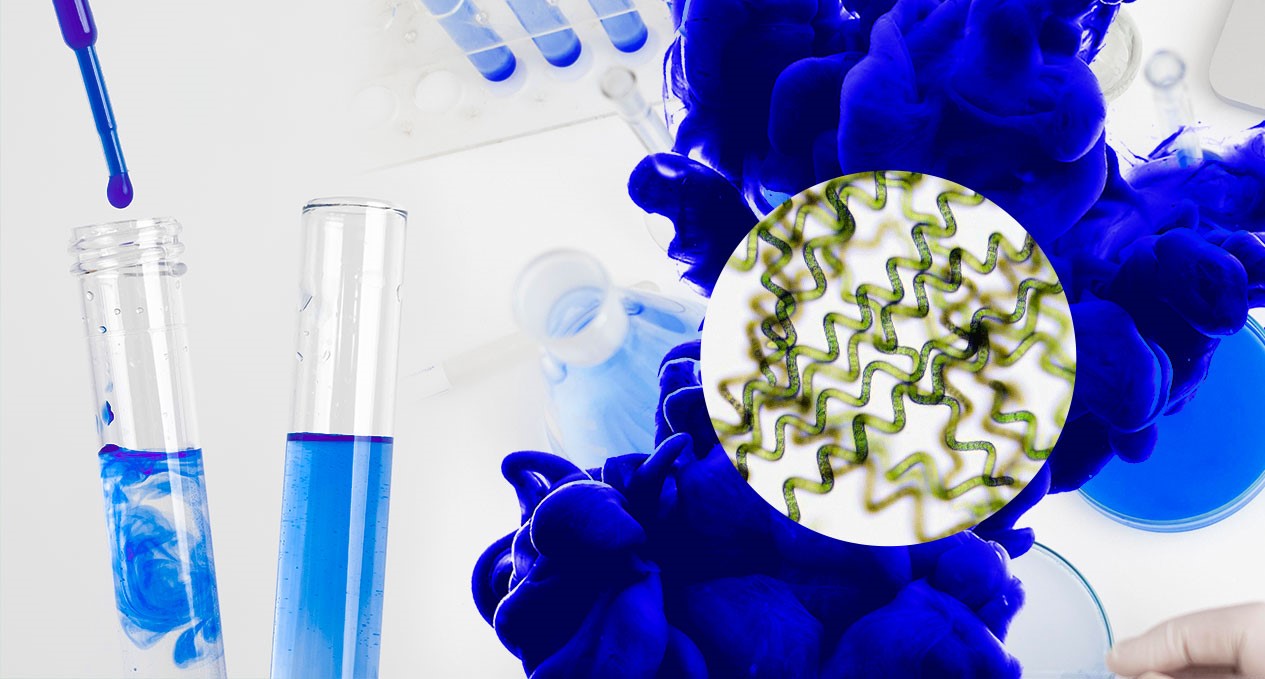
Phycocyanin, this pigmented protein, is found in blue-green algae such as spirulina. This blue-green pigment has been studied for its many potential health benefits, including its anti-inflammatory and antioxidant effects.
It appears that phycocyanin's anti-inflammatory effect is due to its ability to inhibit the production of pro-inflammatory cytokines (which promote inflammation). These molecules play an important role in modulating the immune response, but when their production is dysregulated, they become harmful to the body. This dietary supplement would therefore act by reducing the production of these molecules, which could help reduce inflammation in the body and alleviate the symptoms of certain inflammatory diseases.
Phycocyanin also possesses strong antioxidant power, which helps combat oxidation in the body. Antioxidants are molecules that help the body protect itself from free radicals. Free radicals are unstable molecules produced by the body in response to certain environmental factors such as pollution, UV exposure, cigarette smoke, and alcohol consumption. When there is an imbalance between the production of these unstable molecules and the body's antioxidant capacities, it leads to oxidative stress, which damages cells and tissues. The phycocyanin acts by helping to rebalance antioxidants and free radicals, thereby contributing to the protection of cells from oxidative damage (caused by oxidative stress).
Daily physical activity is essential for maintaining good physical and mental health. After physical exertion, however, it is important to allow the body time to recover to fully benefit from exercise and also to protect against potential injuries. To achieve this, the human body employs mechanisms that enable it to recover:
Recovery after physical exertion is an important process that encompasses energy replenishment, muscle repair, and waste elimination. Consuming phycocyanin derived from spirulina, either before or after physical activity, can help optimize certain aspects of this recovery by reducing fatigue and muscle soreness. Indeed, numerous studies have been conducted to understand how this dietary supplement acts within the body:
Essential for maintaining physical and mental balance, sleep allows the body to rest and recover after the day's efforts. During sleep, the body actively repairs damaged tissues, stimulates the immune system, and regulates metabolism.
However, sleep disorders are increasingly prevalent in this modern lifestyle. Several factors contribute to these disorders, such as prolonged use of computers and phones, pollution, stress, and a sedentary lifestyle, all of which disrupt the circadian rhythm. This rhythm represents the body's internal 24-hour clock, synchronized with the alternation of day and night.
When the circadian rhythm is disrupted, it leads to sleep disorders, such as insomnia. Poor quality sleep and lack of sleep can have detrimental effects on health and contribute to the development of conditions such as cardiovascular diseases, obesity, and diabetes. Lack of sleep also impairs cognitive functions, leading to difficulties with concentration and memory problems.
Increasing research is being conducted to understand the impact of phycocyanin on sleep, and it appears that this blue-green pigment offers numerous beneficial effects:
In conclusion, consuming liquid phycocyanin offers numerous health benefits. Thanks to its antioxidant and anti-inflammatory properties, it helps reduce oxidative damage to cells by regulating the immune system. This can lead to improved recovery after physical exertion and enhanced sleep quality. However, it is important to remember that consuming this dietary supplement should not replace a healthy and balanced lifestyle.