Want to know what makes our packages unique?
Our history
Phycocyanin is a molecule found in certain algae, particularly spirulina. It is known for its numerous health benefits, including its role in blood sugar regulation. Let's explore the connections between phycocyanin and blood sugar, as well as its impact on individuals with diabetes.
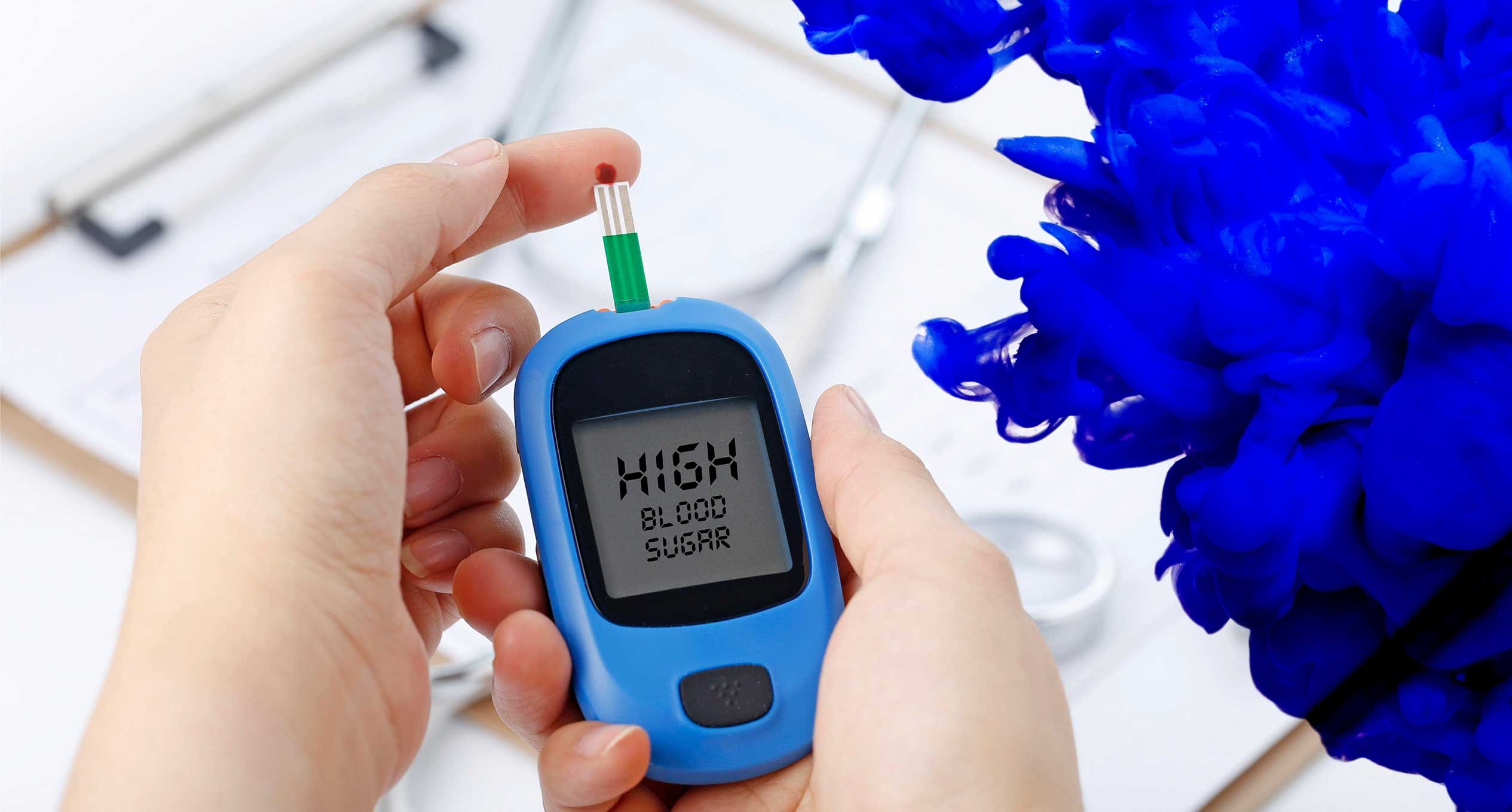
Blood sugar (or glycemia) must be maintained at stable levels to ensure our body functions properly. When these levels are too high, it can cause various disorders, including type 2 diabetes. Several studies have shown that phycocyanin could help regulate blood sugar, particularly due to its antioxidant and anti-inflammatory properties.
Blood sugar, or blood glucose level, is a key indicator of our metabolic health. It is tightly regulated by our body to ensure that our cells receive the energy they need to function.
When we eat, the carbohydrates present in food lead to an increase in blood sugar. In response to this increase, our pancreas produces insulin, which allows cells to use glucose as an energy source.
However, if our body does not produce enough insulin, or if our cells become resistant to its action, glucose accumulates in the blood, leading to hyperglycemia (high blood sugar).
Conversely, hypoglycemia (low blood sugar) can occur if we eat too few carbohydrates. Blood sugar that is too low can lead to fatigue, dizziness, and weakness, while blood sugar that is too high can lead to serious conditions such as diabetes.
Insulin is therefore a hormone responsible for regulating glucose concentration in the blood. In people with diabetes, the body becomes resistant to insulin, leading to an abnormal increase in blood sugar. This is where phycocyanin comes into play. By improving insulin sensitivity, it allows for better glucose absorption by cells, thereby promoting better blood sugar balance, to prevent hyperglycemia and diseases like diabetes.
By acting on the pancreatic cells responsible for insulin production, and by improving their function or protecting them against damage caused by free radicals, which lead to cell aging and thus impact their proper functioning, phycocyanin is an ideal supplement to indirectly contribute to blood sugar regulation, and thus prevent hyperglycemic or hypoglycemic crises.
The effects of phycocyanin on blood sugar could be particularly interesting for preventing type 2 diabetes and complementing treatments for diabetics:
Antioxidant properties
Antioxidants are substances capable of neutralizing free radicals, unstable molecules that can cause cellular damage and contribute to premature aging or the onset of diseases. Phycocyanin is a powerful antioxidant, meaning it has the ability to protect our cells against the harmful effects of free radicals.
Inflammation is a natural defense mechanism of the body that helps fight infections and repair damaged tissues. However, chronic inflammation can lead to many diseases. Phycocyanin possesses anti-inflammatory properties that could help prevent or alleviate certain inflammations in the body.
Phycocyanin is also believed to have the ability to stimulate the immune system, thereby improving resistance to infections and promoting better overall health.
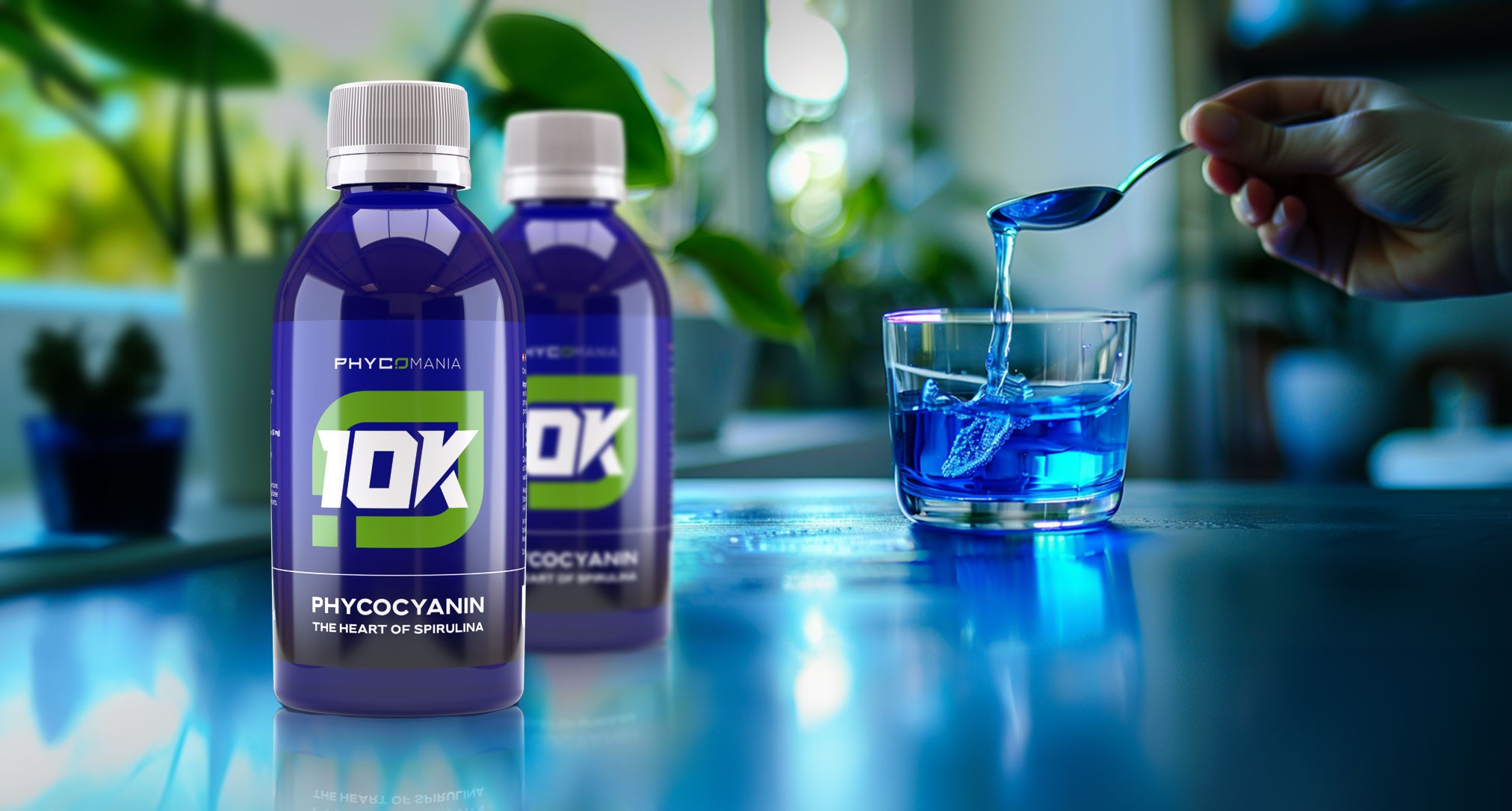
To provide your body with regular phycocyanin intake, several solutions are available: capsules or tablets containing spirulina extract (an algae containing phycocyanin), spirulina powder to add to your culinary preparations. However, the most effective method we recommend is a 10K course, an exceptional food supplement, as it is concentrated at 10,000 mg of phycocyanin per liter. PHYCOMANIA's phycocyanin extraction method allows the phycocyanin to remain in its native, liquid form, which is the most recommended for effective daily intake. This solution allows for better absorption by the body, as well as better preservation of its benefits. Taken with a simple glass of water, liquid phycocyanin 10K is easy to ingest and has no constraints. For effective results, regular intake during a several-week course is essential to benefit from the effects of this food supplement. In case of diabetes or medication use, it is crucial to discuss the appropriate dosage with a doctor to prevent any risk of undesirable interactions. Phycocyanin 10K is indeed a preventive treatment and cannot substitute for medical treatment in cases of already diagnosed diabetes.
While not a miracle solution against diabetes or poor blood sugar management by the body, phycocyanin's effects on blood sugar and its ability to improve insulin sensitivity are undeniable. Easy to ingest in its liquid form, in addition to regulating blood sugar, it also offers added health benefits, particularly with its anti-inflammatory and antioxidant properties, as well as by enhancing natural defenses.