Want to know what makes our packages unique?
Our history
Spirulina, a microalga with multiple virtues, is gaining increasing success thanks to its health benefits. But how is this alga cultivated? It is through the various stages of spirulina cultivation and the techniques employed that it achieves optimal quality, essential to fully benefit from all its advantages.
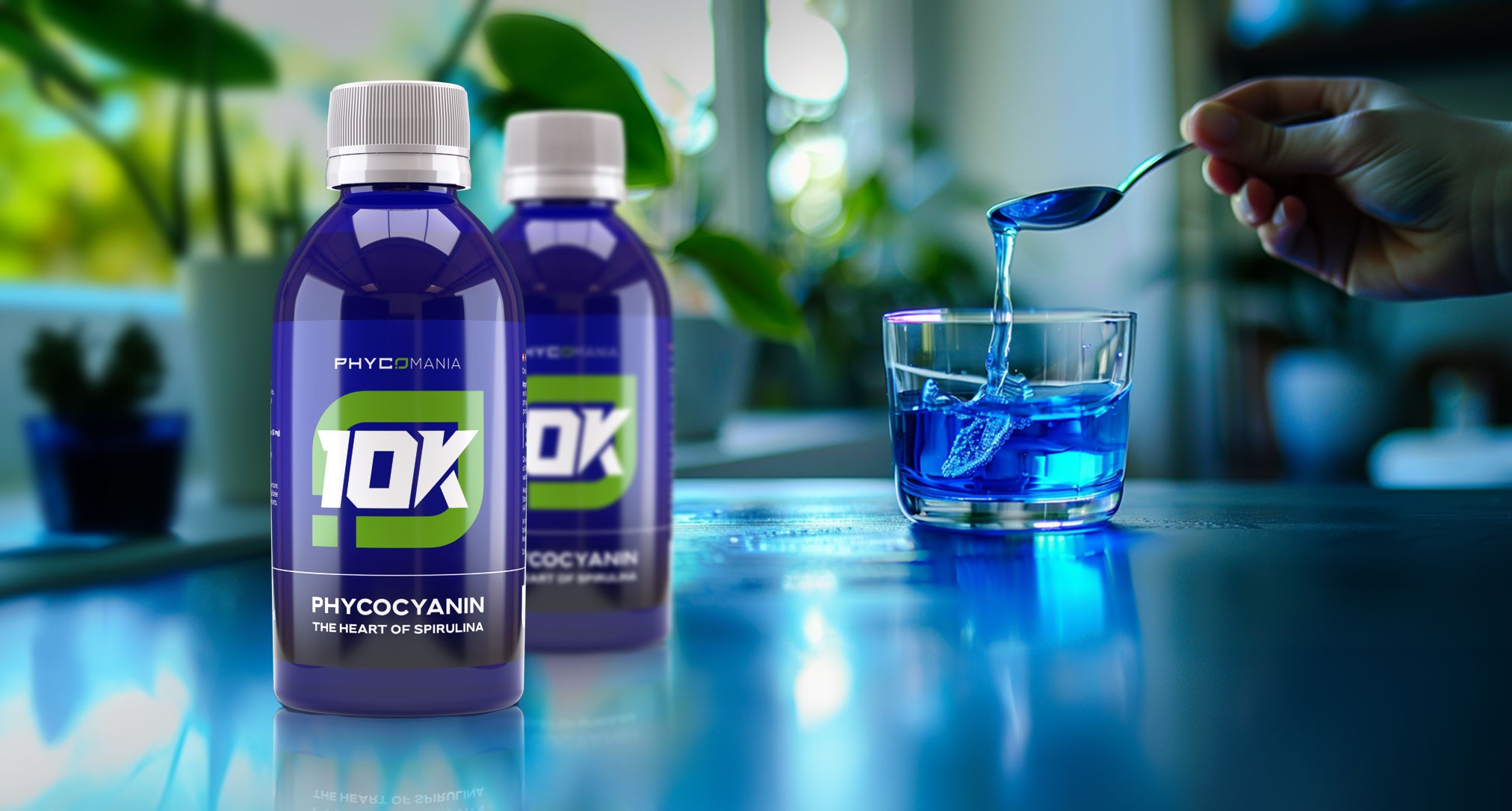
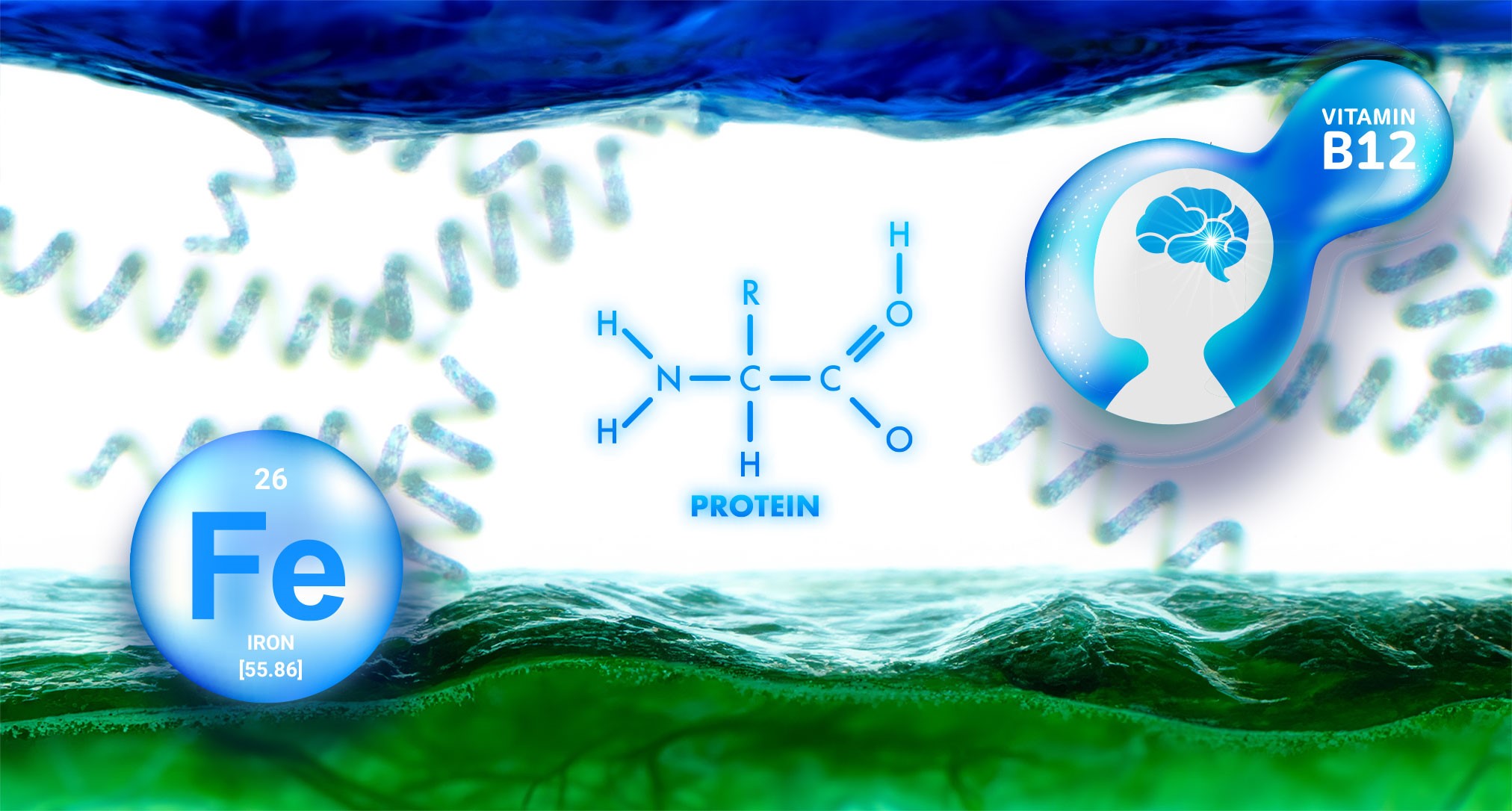
Spirulina is a microalga classified among "superfoods" due to its rich nutritional value. Rich in phycocyanin, this cyanobacterium is known to be an exceptionally rich source of protein, iron, vitamin B12, carotenoids, and antioxidants. It is now cultivated worldwide and consumed for its health benefits, particularly for its ability to stimulate the immune system, improve endurance, and reduce fatigue, which primarily comes from the phycocyanin it contains and which we make available after extraction in the 10K food supplement.
Requiring a warm and sunny climate for cultivation, as well as water rich in nutrients (phosphate, nitrate, carbonate, etc.), spirulina naturally develops in the alkaline lakes of tropical and subtropical regions.
Although some farms are located near natural lakes, which are favorable for spirulina growth, the majority of aqualogical farms replicate these conditions by setting up artificial ponds. These ponds, shallow (20 to 30 cm) to promote light penetration and facilitate alga harvesting, must benefit from optimal sun exposure and offer fresh water at around 25°C with a basic pH between 9 and 11, and the necessary concentration of mineral salts for cultivation.
Several stages are essential to cultivate spirulina and ensure the best possible quality.
The first step to cultivating spirulina in a suitable environment is to take a small quantity of mother spirulina and introduce it into the pond containing the culture medium.
Thanks to the nutrients present in the water and sunlight, spirulina gradually develops. The mixture must then be stirred regularly to prevent the spirulina from sinking to the bottom of the pond and to ensure it receives an optimal oxygen supply. Under favorable conditions, it will then multiply, increasing the spirulina concentration in the pond.
Once the spirulina concentration has reached a sufficient level (approximately 1g/L), the producer can proceed with harvesting by filtering the water through appropriate cloths or sieves.
After harvesting, spirulina is generally dried to allow for packaging. There are several drying methods, including open-air drying, greenhouse drying, or low-temperature drying (not exceeding 40°C). This is where PHYCOMANIA's spirulina differs from other spirulinas on the market. PHYCOMANIA extracts phycocyanin from spirulina before drying to obtain fresh phycocyanin still bound to water. Find all information on PHYCOMANIA's phycocyanin extraction here.
Once dried, spirulina is ground and transformed into powder or granules. It can then be packaged and marketed in various forms (capsules, tablets, flakes, liquid forms, etc.).
One of the many advantages of spirulina cultivation is its low environmental impact. This microalga produces a large amount of oxygen through photosynthesis, thereby contributing to air purification. Requiring little water for its growth, spirulina is a sustainable and eco-responsible resource.
To guarantee a healthy and quality product, most producers choose to cultivate spirulina without using pesticides or chemical fertilizers. Thus, organic or ecological production techniques, favoring the use of natural methods to preserve the nutritional qualities of the algae, are most often used to produce spirulina.
To complement this environmentally friendly cultivation, producers like PHYCOMANIA commit to reducing their environmental impact by promoting the recycling of their containers.
Although spirulina is primarily produced in countries such as China, India, and the United States, there is a favorable trend towards the creation of local farms. Developing farms closer to consumers not only reduces the ecological footprint associated with transport but also ensures better quality control and optimal traceability.
Certain European and French regions, such as Spain, the country chosen by PHYCOMANIA to produce its liquid phycocyanin, Mediterranean countries, Nouvelle-Aquitaine, or Languedoc-Roussillon, are particularly suitable for spirulina cultivation thanks to their climate and sunshine. Thus, consuming locally produced spirulina that complies with European standards provides additional security by promoting a better understanding of the production process and guaranteeing quality spirulina produced in an eco-responsible manner.